
Why Salesforce churn predictions miss real risk
Salesforce churn prediction is only as good as your data.
A customer carries a low churn score for two quarters. The renewal slips. Usage drops. Then they leave. The prediction never flinched, and your team trusted a number that was wrong before the model ever ran. Salesforce churn prediction is only as accurate as the data feeding it. If the records are stale or inconsistent, the score reflects the mess and not the risk.
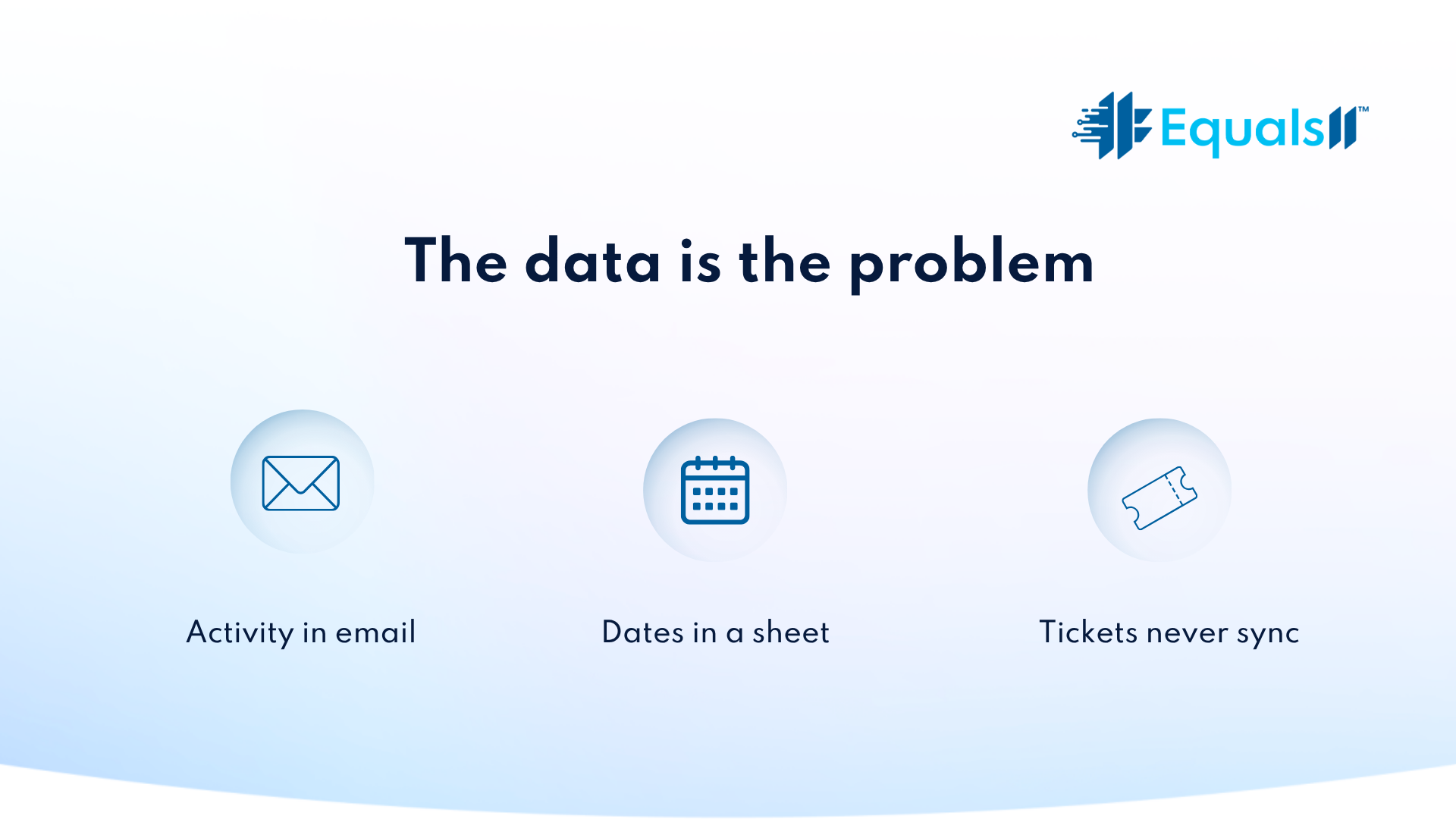
The data is the problem, not the model
Einstein does math well. It scores reliably against whatever you hand it. The trouble sits one layer down, in the fields nobody maintains. Last activity date stops updating when reps work deals out of their inbox. Renewal dates live in a spreadsheet on someone’s desktop. Support tickets sit in a system that never syncs back to the account. The model cannot see what Salesforce does not hold, so it scores on the wrong half of the picture.
Define churn, then check the inputs
Churn is not one event. For a subscription business, it is a non-renewal. For a services firm, it is a quiet drop in scope. If your team has not agreed on what churn looks like in your revenue motion, the model has nothing consistent to learn from. Write the definition down and tie it to the moment revenue actually leaves. Without that, the history the model trains on is guesswork, and the prediction inherits the guess.
Then audit the inputs. This is the same readiness work that comes beforeturning on Agentforce, and churn scoring is no different. Pull the fields Einstein would weigh most and check how often they are filled, how recently, and by whom. Clean the ones that carry signal, connect the systems that hold the rest, and retire the dead fields so the model stops weighting them.
Govern the data, then automate
A churn model on ungoverned data drifts fast. New reps fill fields their own way. A migration quietly drops a sync. Six months later, the score has moved, and nobody notices, because the dashboard still shows a number. Governance keeps the prediction honest. Decide who owns each field, document how it gets populated, which is the same discipline that closes theknowledge debt that slows most AI rollouts, and set a cadence to confirm the inputs stay clean. Salesforce is not expensive. Misalignment is.
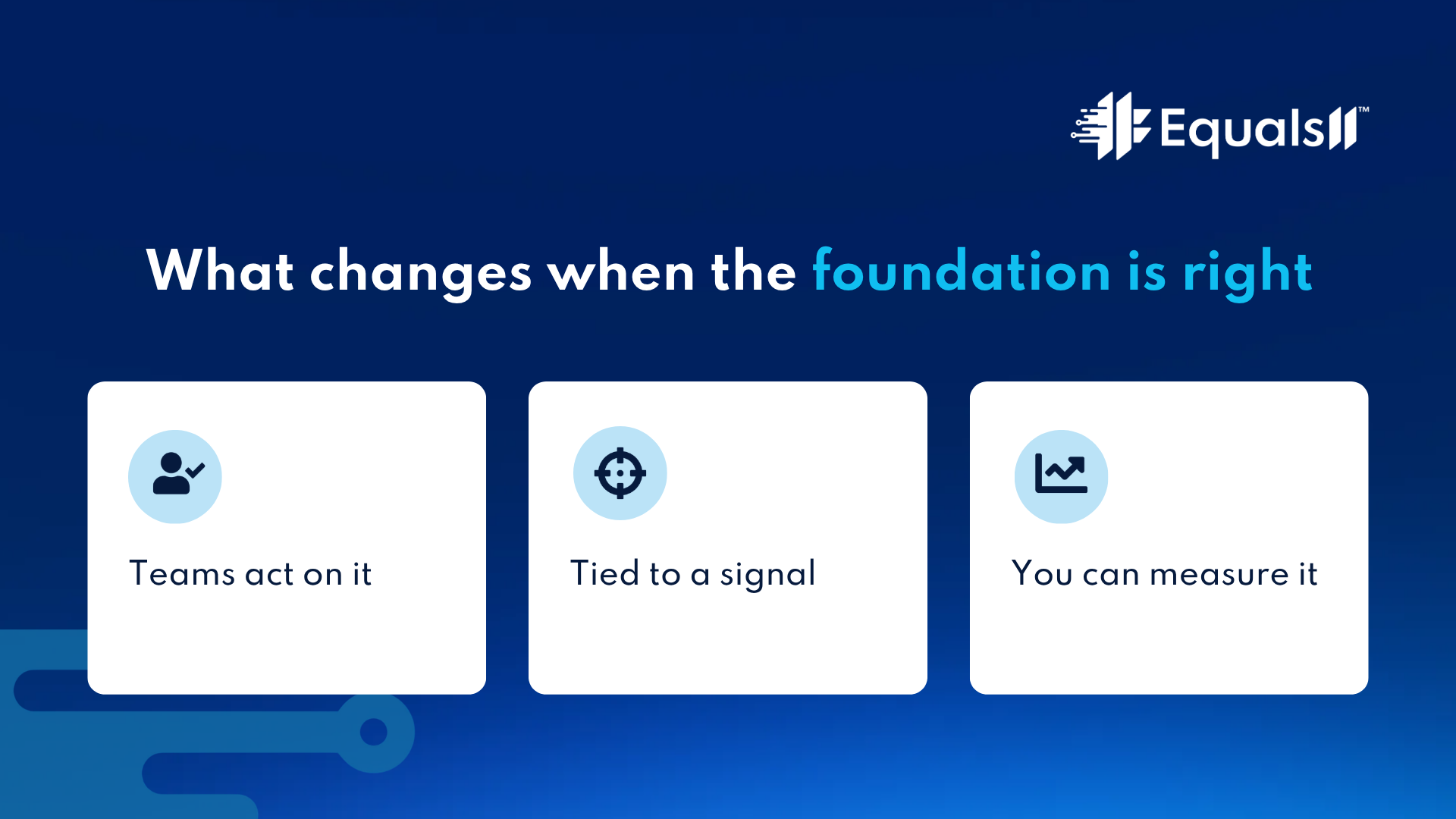
What changes when the foundation is right
With clean inputs and a clear definition, the score starts to mean something. Your CS team acts on it because they trust it. You tie each save to a specific signal instead of a vague risk band, then measure whether it worked and feed that back into the model. The technology was ready the day you bought it. The data was not. We saw this firsthand with the National Kidney Foundation, where we used Einstein Prediction Builder and Next Best Action to guide constituent engagement. The build started with the data and the definitions, not the model.
Frequently asked questions
Why are my Salesforce churn predictions wrong?
The model scores on the data already in your org. When fields like last activity, renewal date, or product usage are stale or empty, the prediction reflects bad inputs and not real risk. Fix the data feeding the model first. A churn score is only as accurate as the records behind it.
How do I get Salesforce ready for AI churn prediction?
Start with a definition of churn tied to your revenue motion. Audit the fields that feed the model for completeness and accuracy. Connect the systems that hold usage and support data, then set ownership and a cadence to keep inputs clean. Readiness is a data and governance question, not a licensing one.
What data does Salesforce use to predict customer churn?
Einstein weighs signals like account activity, product usage, support history, and engagement over time. The catch is that these only help if Salesforce actually holds them and keeps them current. Many real churn drivers live in email, spreadsheets, or disconnected tools, where the model never sees them.
Before you turn AI loose on your customer data, find out whether your org is ready for it. The Agentforce Readiness Score shows you where your data and governance stand in about two minutes. Free. No pitch.
→ Take the Agentforce Readiness Score at equals11.ai
