
Is Salesforce too complex for non-technical Teams?
When non-technical teams struggle with Salesforce, the platform is often blamed first. In practice, Salesforce itself is rarely the issue. Almost every case of “Salesforce is too complex” can be traced back to how the system was designed, structured, and governed after go-live.
Salesforce was built to support role-based simplicity. The platform assumes that sales users, service users, operations teams, and executives should experience Salesforce differently. When everyone sees the same screens, the same fields, and the same workflows, complexity rises, not because Salesforce is powerful, but because it is unfocused.
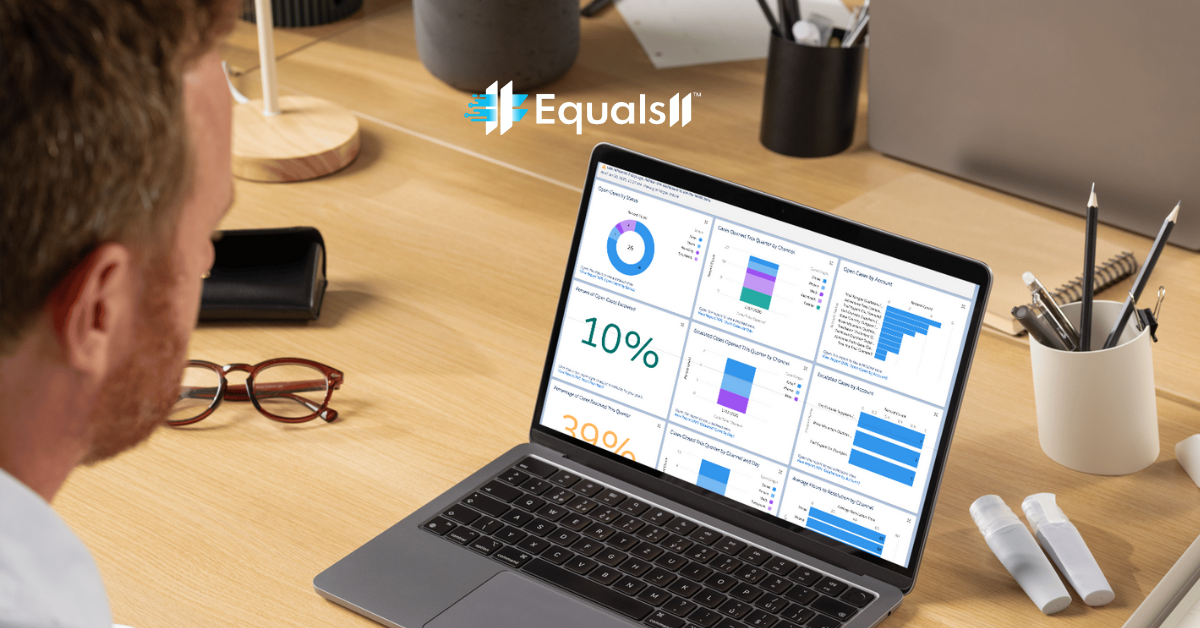
Complexity Usually Starts After Go-Live
Many Salesforce environments begin with good intentions. Over time, new fields are added to “capture more data,” page layouts expand to accommodate edge cases, and validation rules accumulate to fix downstream reporting issues. Individually, each change feels reasonable. Collectively, they create an experience where users are forced to think about Salesforce instead of simply doing their job.
In high-performing Salesforce organizations, this does not happen by accident. Architecture is treated as an operating system, not a feature checklist. Every required field exists because it supports a specific decision, automation, or metric. Every screen is intentionally constrained so users focus only on what matters in that moment.
When Salesforce is designed this way, non-technical teams do not need to understand the system. The system understands them.
What Well-Designed Salesforce Organizations Get Right
The most effective Salesforce environments share a common trait: discipline.
Users are not presented with dozens of optional choices. Instead, the system guides behavior through structure. Page layouts are kept lean and role-specific. Required fields are minimal and change as records progress through their lifecycle. Business motions are separated cleanly using record types, so users never have to guess which path to follow.
This level of clarity does not come from more training or documentation. It comes from design decisions that remove ambiguity. When users never have to ask, “Do I need to fill this out?” adoption improves naturally. Salesforce stops feeling like a database and starts functioning like a workflow engine.
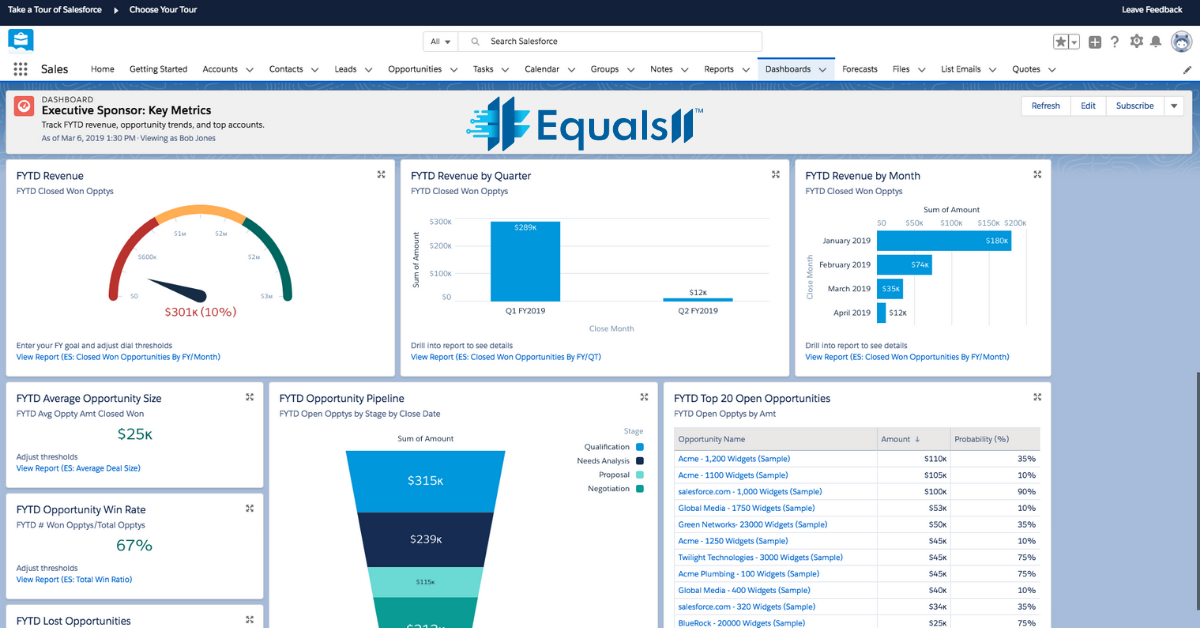
Simple for Users, Insightful for Leadership
There is a common misconception that making Salesforce simpler for users means sacrificing insight for leadership. In reality, the opposite is true.
When data is captured intentionally and consistently, reporting becomes more reliable. Leadership gains visibility not because users are entering more data, but because the right data is being captured at the right time. The result is a system that feels lightweight for users and deeply informative for executives.
If Salesforce feels heavy for users or shallow for leadership, it is a signal that the architecture needs refinement, not that the platform has reached its limits.
The Real Question to Ask
Salesforce is not too complex for non-technical teams.
The better question is whether the system has been designed to protect users from unnecessary complexity while preserving the integrity of the data underneath. When that balance is missing, frustration follows. When it is present, Salesforce quietly does its job in the background.
How Equals 11 Helps
At Equals 11, we specialize in designing Salesforce environments that feel simple on the surface and robust underneath. As a certified Salesforce consulting partner, we work with organizations that already use Salesforce and want it to work better for their teams and their leadership.
For organizations looking to get started quickly, PISCO, an Equals 11 company, offers Quick Start Implementations (QSI). QSI is designed for early-stage and growing teams that need a clean, role-based Salesforce foundation built around real business processes, not generic templates.
For teams that are already live and want to keep Salesforce healthy over time, we also provide Salesforce managed services. This includes ongoing optimization, governance, and prioritization to ensure your Salesforce environment continues to evolve without accumulating technical debt.
Salesforce does not need to feel complex. With the right design and the right partner, it becomes one of the simplest systems your teams use and one of the most powerful tools your leadership relies on.
Not sure which option fits your current stage and business needs? Schedule a 20-minute discovery call with an Equals 11 Salesforce expert. This is not a sales call. The goal is to provide clarity so you can decide whether working with us makes sense for you.
